
Get Handicap Rail Installation in Twin Falls, ID
Handicap rail installation services help property owners in Twin Falls, ID, improve safety and accessibility by adding sturdy handrails to staircases, bathrooms, and ramps.
Handicap rail installation is an important consideration for property owners in Twin Falls, ID seeking to improve accessibility and safety around their homes or commercial spaces. Planning such projects involves evaluating different options for rail types, placement, and installation methods to best meet individual needs. Property owners exploring this work often compare local contractors to find experienced service providers who can deliver reliable results tailored to their specific environments.
Continuing to explore available services can help property owners identify qualified local contractors capable of handling handicap rail installation projects efficiently. By reviewing local options, individuals can gather the information needed to make informed decisions about their accessibility upgrades. This approach supports planning efforts and ensures that the chosen service providers are well-suited to meet the unique requirements of properties in the Twin Falls area.
- Handicap Rail Installation - needed when building or renovating accessible pathways in residential or commercial properties.
- Commercial Ramp and Rail Setup - required for storefronts or office entrances to meet accessibility standards.
- Public Facility Handicap Rail Installation - necessary for parks, libraries, or community centers to ensure ADA compliance.
- Home Accessibility Modifications - useful when installing safety rails in bathrooms, stairways, or entryways for elderly or disabled residents.
- Custom Handicap Rail Projects - suitable for unique architectural features or specific client needs in neighborhoods across Twin Falls, ID.
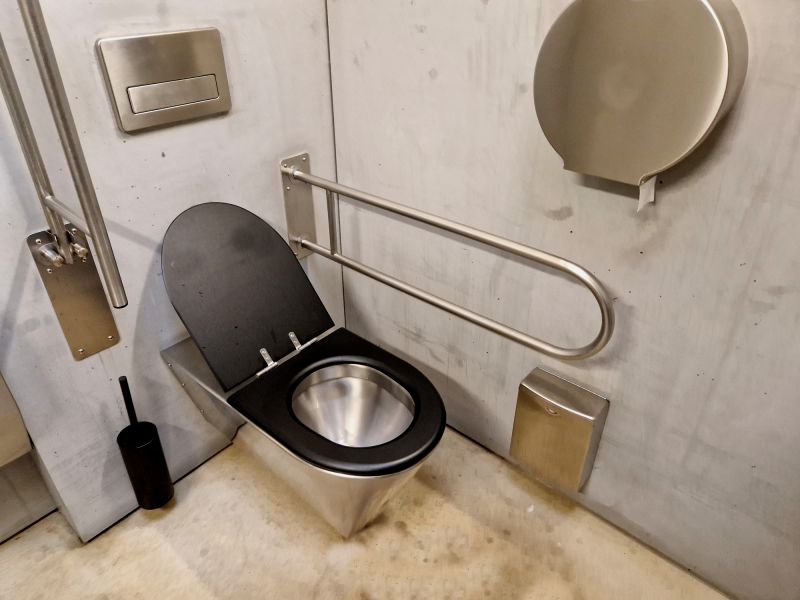
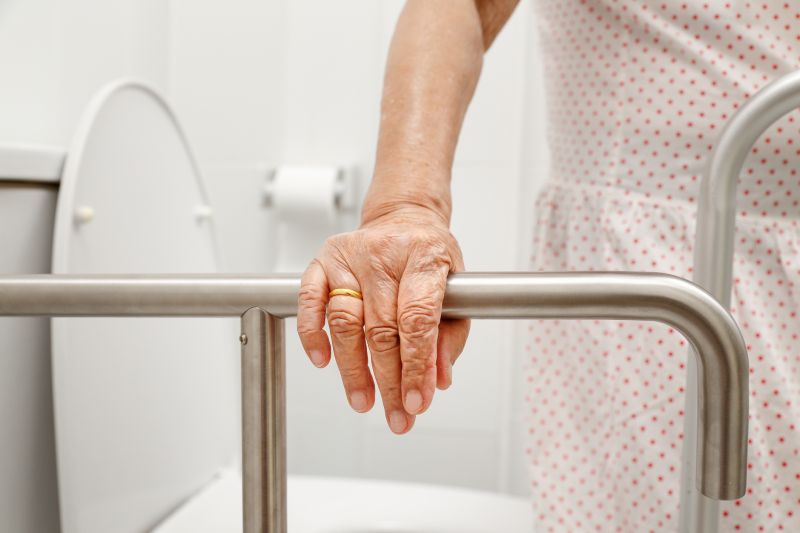
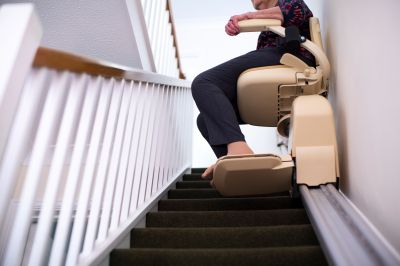
Handicap rail installation services involve the careful addition of supportive handrails in areas where extra stability is needed. These rails are typically installed along staircases, hallways, bathrooms, or outdoor pathways to assist individuals with mobility challenges. The process includes assessing the property’s layout, selecting appropriate rail types, and securely attaching them to ensure reliable support. This service aims to create safer environments by providing steady handholds that help prevent slips and falls, especially for those with limited strength, balance issues, or recovering from injury.
Many common problems that handicap rail installation helps address include difficulties with balance, weakness in the legs, or the fear of falling. For seniors or individuals with disabilities, navigating stairs or uneven surfaces can be a significant concern. Installing handrails can make daily activities like climbing stairs, entering or exiting showers, or walking along outdoor paths much safer. These installations can also help caregivers and family members feel more confident that their loved ones have added support, reducing the risk of accidents in the home or on property.
Properties that typically benefit from handicap rail installation include single-family homes, apartment complexes, assisted living facilities, and commercial buildings. Homes with multiple levels or outdoor stairs often require handrails to ensure safe access to all areas. Public spaces, such as community centers or places of worship, may also need these installations to comply with accessibility standards and promote inclusivity. Regardless of property type, the goal is to make key areas more accessible and secure for everyone who may need additional support when moving around.
When considering handicap rail installation, property owners should evaluate areas where stability is most needed. These services are often sought after when there has been a recent injury, a new mobility impairment, or a desire to improve overall safety. Local contractors experienced in installing supportive handrails can help determine the best locations and recommend suitable types of rails to match the property’s layout. Contacting these service providers can ensure the right solutions are installed efficiently, providing peace of mind for residents and visitors alike.
The overview below groups typical Handicap Rail Installation projects into broad ranges so you can see how smaller, mid-sized, and larger jobs often compare in Twin Falls, ID.
In many markets, a large share of routine jobs stays in the lower and middle ranges, while only a smaller percentage of projects moves into the highest bands when the work is more complex or site conditions are harder than average.
Smaller Repairs - Typical costs for minor handicap rail repairs or adjustments in Twin Falls range from $250 to $600. Many routine jobs fall within this range, depending on the scope of work and materials needed.
Partial Replacements - Replacing a section of an existing handicap rail usually costs between $600 and $1,200. Larger, more involved projects tend to push costs toward the higher end of this range.
Full Installation - Installing new handicap rails in a standard area often costs between $1,200 and $3,000. Many local contractors handle these projects within this range, with some larger or custom installations reaching higher prices.
Complex or Custom Projects - Very large or specialized handicap rail installations, such as custom designs or extensive modifications, can cost $3,000 or more. These projects are less common but are handled by experienced local service providers when needed.
Actual totals will depend on details like access to the work area, the scope of the project, and the materials selected, so use these as general starting points rather than exact figures.
Ramp Installation Projects - Local contractors experienced in ramp construction use similar planning and building skills as those needed for handicap rail installations to ensure accessibility and safety.
Accessible Bathroom Modifications - These projects involve installing grab bars and support rails, requiring knowledge of building codes and precise placement akin to handicap rail installation work.
Commercial Accessibility Upgrades - Upgrading public and commercial spaces for accessibility often includes installing handrails and safety features similar to residential handicap rail projects.
Stairlift and Elevator Installation - Installing mobility aids involves planning and technical skills comparable to those used in installing handicap rails to improve accessibility.
Handicap Doorway and Threshold Modifications - These projects require precise measurements and adjustments, paralleling the planning process for handicap rail installation services.
Public Space Accessibility Improvements - Enhancing parks, sidewalks, and community areas with safety features involves skills aligned with installing support rails and accessibility fixtures.
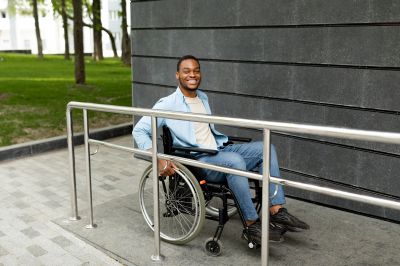
When evaluating service providers for handicap rail installation in Twin Falls, ID, it’s important to consider their experience with similar projects. Homeowners should look for local contractors who have a proven track record of installing handicap rails in environments comparable to their own, whether inside homes, stairways, or outdoor spaces. Asking for examples of past work or references can help gauge a contractor’s familiarity with the specific requirements and challenges of these installations, ensuring the chosen professional has the relevant expertise to handle the job effectively.
Clear, written expectations are essential to prevent misunderstandings and ensure the project meets the homeowner’s needs. When communicating with potential service providers, it’s helpful to specify details such as the preferred style, placement, and any specific accessibility considerations. Reputable local contractors will be able to provide detailed proposals or written descriptions of the scope of work, which can serve as a reference point for both parties and facilitate a smoother project process.
Effective communication and reputable references are key indicators of a reliable service provider. Homeowners should seek local pros who are responsive to inquiries and willing to address questions thoroughly. Additionally, checking references or reviews from previous clients can offer insights into the contractor’s professionalism, reliability, and quality of work. While this site introduces homeowners to local options, it’s important to remember that the actual installation will be handled by trusted local contractors who can be evaluated based on their experience, communication, and reputation.
Property owners in Twin Falls, ID use Handicap Rail Installation services for practical projects around their homes and businesses. This guide focuses on everyday jobs and straightforward project options.
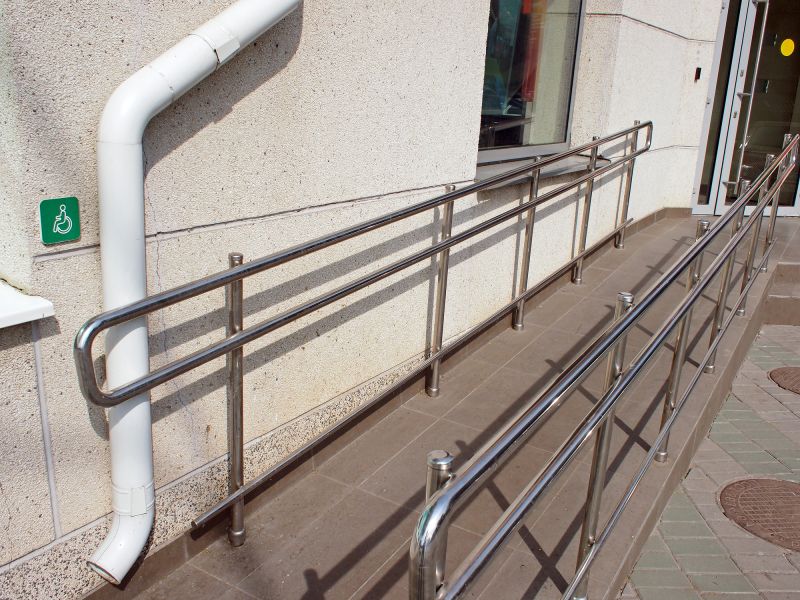
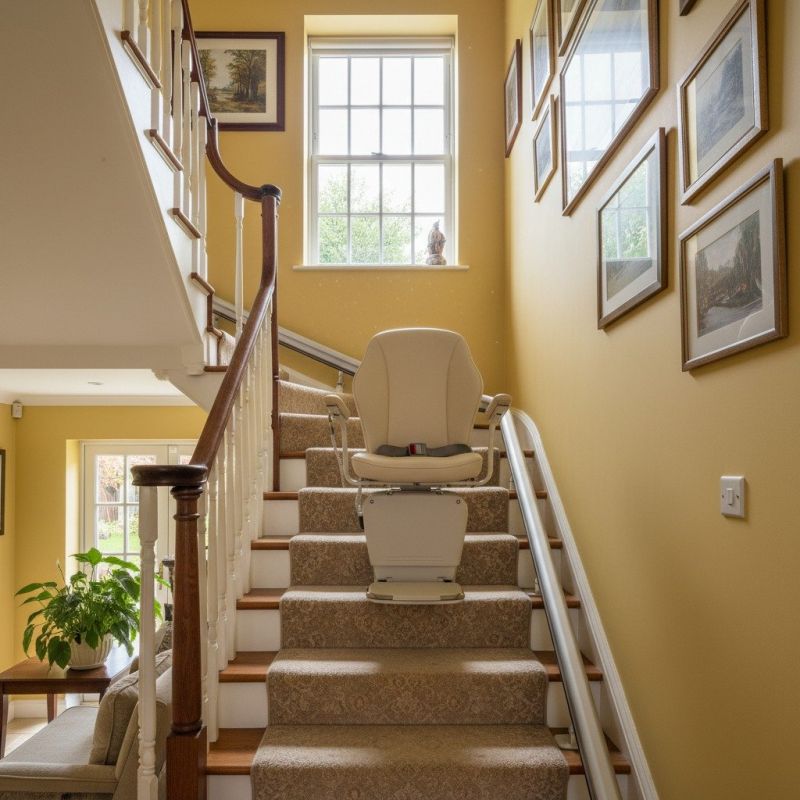
Handicap rail installation is often needed for property owners in Twin Falls, ID who want to improve accessibility around their homes or businesses. Whether it's adding support along stairways, ramps, or showers, many residents seek these services to make daily activities safer and easier for themselves or visitors with mobility challenges. Local contractors can help assess the space and recommend the appropriate types of rails to ensure safety and compliance with accessibility needs.
In everyday situations, property owners might look for handicap rail installation after renovations, to accommodate aging family members, or to meet changing accessibility requirements. Whether installing rails in bathrooms, hallways, or outdoor areas, local service providers can handle a variety of projects to enhance safety and independence. Connecting with experienced contractors ensures that the installation is done properly and tailored to the specific layout of homes or commercial properties in the Twin Falls area.
What types of handicap rail installations are available? Local contractors can install various types of handicap rails, including wall-mounted, freestanding, and portable options to suit different needs and spaces.
How do I determine the best location for handicap rails? Service providers can assess the area to identify optimal locations that provide safety, accessibility, and compliance with relevant guidelines.
Are handicap rails suitable for both indoor and outdoor use? Yes, many local contractors offer handicap rails designed for indoor environments as well as outdoor settings like ramps and walkways.
What materials are commonly used for handicap rail installations? Common materials include stainless steel, aluminum, and coated metals, selected for durability and ease of maintenance.
How do local service providers ensure proper installation of handicap rails? Experienced contractors follow industry standards and best practices to securely install rails that support safety and accessibility requirements.
Accessible Entryways - Installing handicap rails can make entrances easier and safer for individuals with mobility challenges, especially on steps or uneven surfaces.
Bathroom Support - Adding handicap rails in bathrooms provides additional stability around toilets and showers, helping prevent slips and falls.
Stairway Assistance - Local contractors can install handrails along staircases to support those who need extra balance while ascending or descending.
Outdoor Accessibility - Handicap rails can be added to outdoor pathways and ramps to improve safety and independence for everyday outdoor activities.
If you are thinking about Handicap Rail Installation for a property in Twin Falls, ID, this guide is meant to help you understand the work, the typical project types, and how different options might fit your plans.
When you are ready, you can use the quote form on this page to share a few details about your project. From there, local pros can review the basics and respond with options that match what you have in mind.